Addressing Food Insecurity in Central Indiana
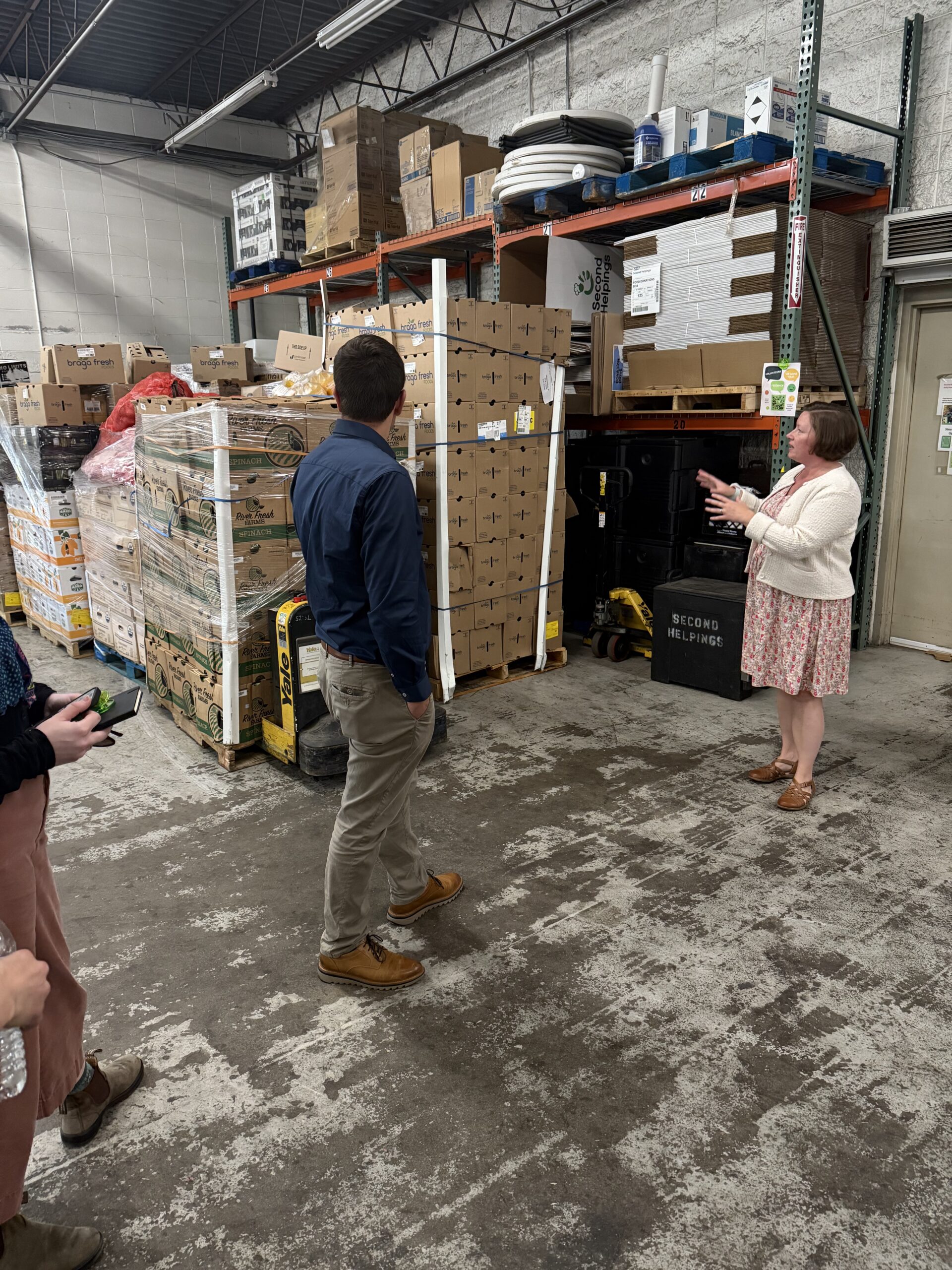

Insights and Opportunities from the September 2025 Marion County Bus Tour & Panel Event
As a next step to help guide those looking to make a meaningful impact, each organization was invited to answer the following question:
“To help guide donors looking to make the most meaningful contribution, please share your most urgent funding need or a high-impact program in need of support and the impact that support would make.”
Each organization’s response is included below, along with a link to explore current volunteer opportunities. If you’d like more information about any of these organizations or would like help identifying other groups where your support could have the greatest impact, our philanthropic advising team is here to assist.
Organizations uplifted include:
- Indy Hunger Network
- Gleaners Food Bank
- Eskenazi Health
- The Milk Bank
- A Longer Table (formerly Patachou Foundation)
- Second Helpings
PANEL ORGANIZATIONS:
Indy Hunger Network, improving access through system-wide coordination
Indy Hunger Network works to reduce hunger in the greater Indianapolis area by improving food access, increasing the nutritional quality of available food, and strengthening the sustainability of the local hunger relief system. This work is carried out through a coalition of nonprofits, businesses, and government agencies working together toward a shared goal.
The Need: Indy Hunger Network’s most urgent need is support for our programs that have lost significant federal funding, including Community Compass, Cooking Matters, and our Healthy Nudges program for food pantries (learn more about these and other IHN programs here). These programs help Marion County residents find food assistance, learn how to prepare healthy meals at home, and access nutritious foods through food pantries. Food and nutrition supports were dramatically cut with the passage of the budget reconciliation bill this summer, and IHN wants to ensure that our programs remain strong as food insecurity increases in our community. Last year, over 50,000 Hoosiers used Community Compass to find food pantries, meal sites, and other feeding programs. Our staff taught more than 500 people how to prepare healthy meals through our Cooking Matters classes, and we provided equipment and technical assistance to 20 food pantries to help them source, store, distribute, and promote nutritious foods. Support from donors like you will help us sustain this work at a critical time.
For Indy Hunger Network volunteer opportunities, visit: www.indyhunger.org/get-involved/
Gleaners Food Bank, delivering food to those who need it most
More than 1 million Hoosiers face hunger, including nearly 300,000 children. Serving a 21-couty service area, Gleaners Food Bank is working around the clock to meet that need. Gleaners optimize equitable access to nutritious food for those of us facing hunger and strives to overcome the conditions causing food insecurity. To see this work in action, check out their 2024 Year in Review video.
The Need: For Gleaners Food Bank, our most urgent need is critical funding for our Food Acquisition Fund. As need for assistance from our fellow Hoosiers has risen, Gleaners now must purchase 50% of the food we distribute in order to meet that need. Our superpower is sourcing and distributing large quantities of nutritious foods, but we need funding to do that. In our upcoming fiscal year beginning October 1, the Gleaners Food Acquisition Fund requires $9.5 million to meet current and expected needs. This is a 15.8% increase from FY2025. Your gift will be used immediately to purchase fresh fruits and vegetables, lean protein, dairy, eggs, and culturally familiar pantry staples for people facing hunger.
For Gleaners volunteer opportunities, visit: www.gleaners.org/volunteer/
Eskenazi Health, integrating nutrition into healthcare through their Food as Medicine programs
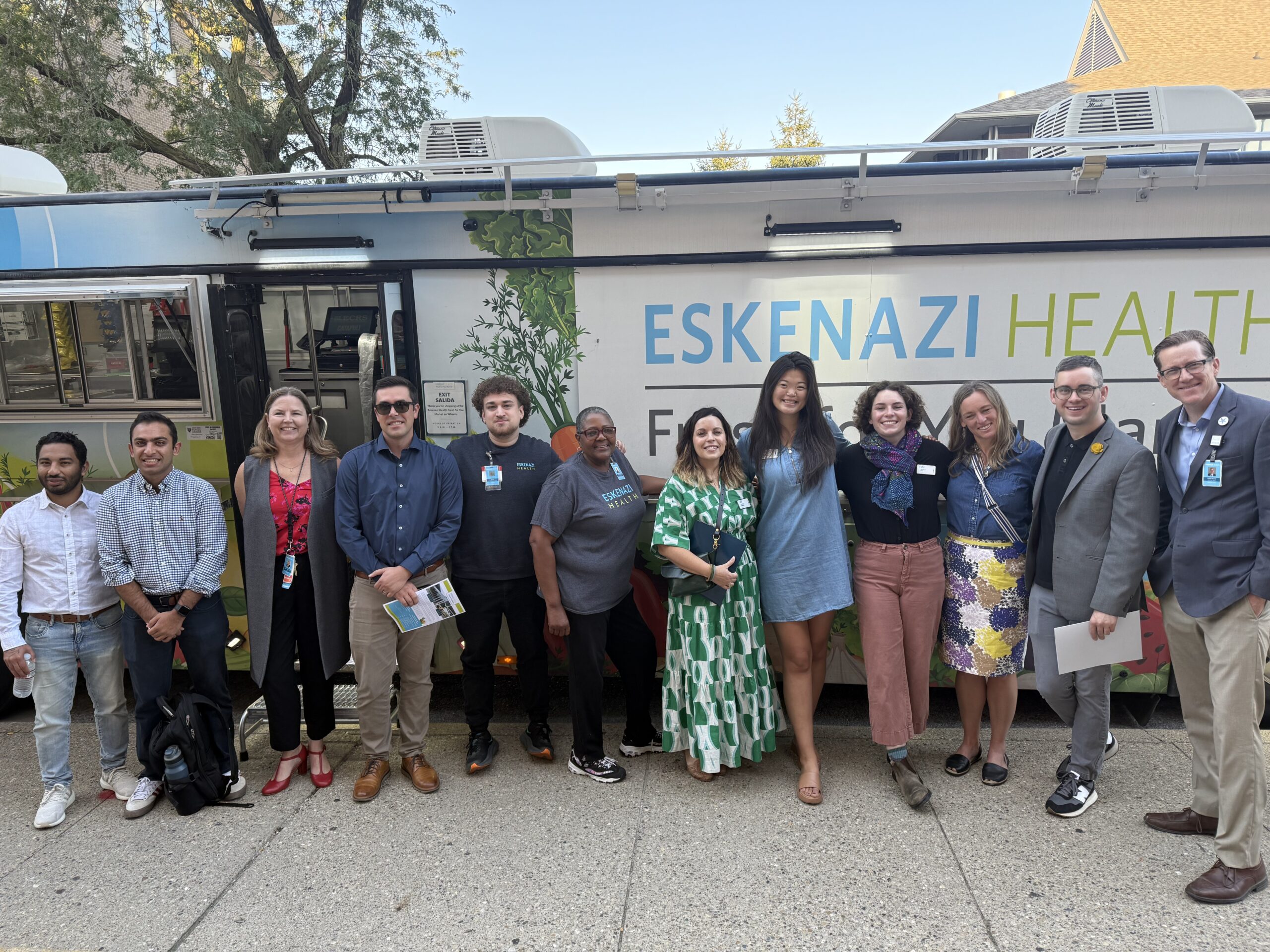
Eskenazi Health’s “Food as Medicine” initiative believes that healthy nutrition is vital for health and disease prevention, and it addresses food insecurity through programs like the Fresh for You Market on Wheels and patient screening for food insecurity. Nearly all Eskenazi Health patients are screened for food insecurity in outpatient settings, the Emergency Department, Specialty Clinics and all Sandra Eskenazi Mental Health Center sites. Approximately 35% of patients have been identified as living in households experiencing or at risk for food insecurity.
The Need: Funds are needed to support Eskenazi Health’s Food is Medicine program designed to encourage nutritional independence in Eskenazi Health’s food-insecure patients. This comprehensive system provides various nutrition programs including lifestyle medicine, SNAP counseling, diabetes and hypertension groups, and an innovative, one-of-a-kind closed-loop system for screening and supporting food insecure patients. These patients are issued food vouchers redeemable at Eskenazi Health’s Fresh for You Market on Wheels which serves five under-resourced neighborhoods on a regular schedule every week, or at the brick and mortar Fresh for You Market on the Eskenazi Health downtown campus. While individuals and families shop for groceries, a culturally competent ‘Community Weaver’ staffs the market, providing relationship-based outreach, reminders and warm handoffs to SNAP/WIC, primary care, behavioral health and social support services, as well as language support so that families aren’t left to navigate alone.
We are working to raise $42,000/month to cover the direct cost of food provided by Eskenazi Health Fresh for You Markets to food insecure community members who need access to Food is Medicine. This would serve 1,400 food insecure neighbors a month, connecting them directly with food and starting them on their journey towards nutritional independence.
For volunteer opportunities within the Eskenazi Health network, visit: www.eskenazihealth.edu/about/volunteer
The Milk Bank, supporting fragile infants with donor milk to ensure early-life nutrition
For fragile babies, human milk is lifesaving medicine. It’s something that a mother, even with all the money in the world, may not be able to provide her baby without someone else’s generosity. The Milk Bank is on a mission to promote community health by expanding the safe use of human milk for all babies, especially premature and ill infants. The Milk Bank impacts the greater Midwest area through the safe collection and distribution of pasteurized donor human milk.
The Need: Each action you take—whether through unrestricted giving, targeted program support, or lending your voice and expertise—creates a direct line between your generosity and a baby’s best chance. From naming opportunities to hyper-local engagements, we are committed to tailoring partnerships that align with your vision and values. The Milk Bank is excited to partner with high-impact partners who want their giving to directly save infant lives, transform health outcomes, and give hope to families. By ensuring access to safe, pasteurized donor human milk, your contributions meet the most pressing needs of fragile newborns today while also building the systems that protect families in the future. Immediate, Short-Term Priorities include:
- Unrestricted Operational Support: A 21.6% surge in demand for donor milk is straining capacity. At $5 per ounce to process, operational funding directly feeds and stabilizes fragile infants.
- Maternal Mortality Response: Donor milk provides critical nutrition during maternal crises. Near-term funding will help scale this lifesaving program, with long-term potential for endowment support.
- Education & Prevention: A dedicated outreach role and materials are needed to educate families and providers—helping prevent crises before they occur.
- Engagement & Expertise: We rely on volunteers, advocates, and professionals to recruit 150+ new milk donors monthly and support operations—from board service to data and logistics.
For Milk Bank volunteer opportunities, visit: www.themilkbank.org/become-an-advocate/
SITE VISIT ORGANIZATIONS:
A Longer Table, ensuring school meals are fresh, consistent, and built to last
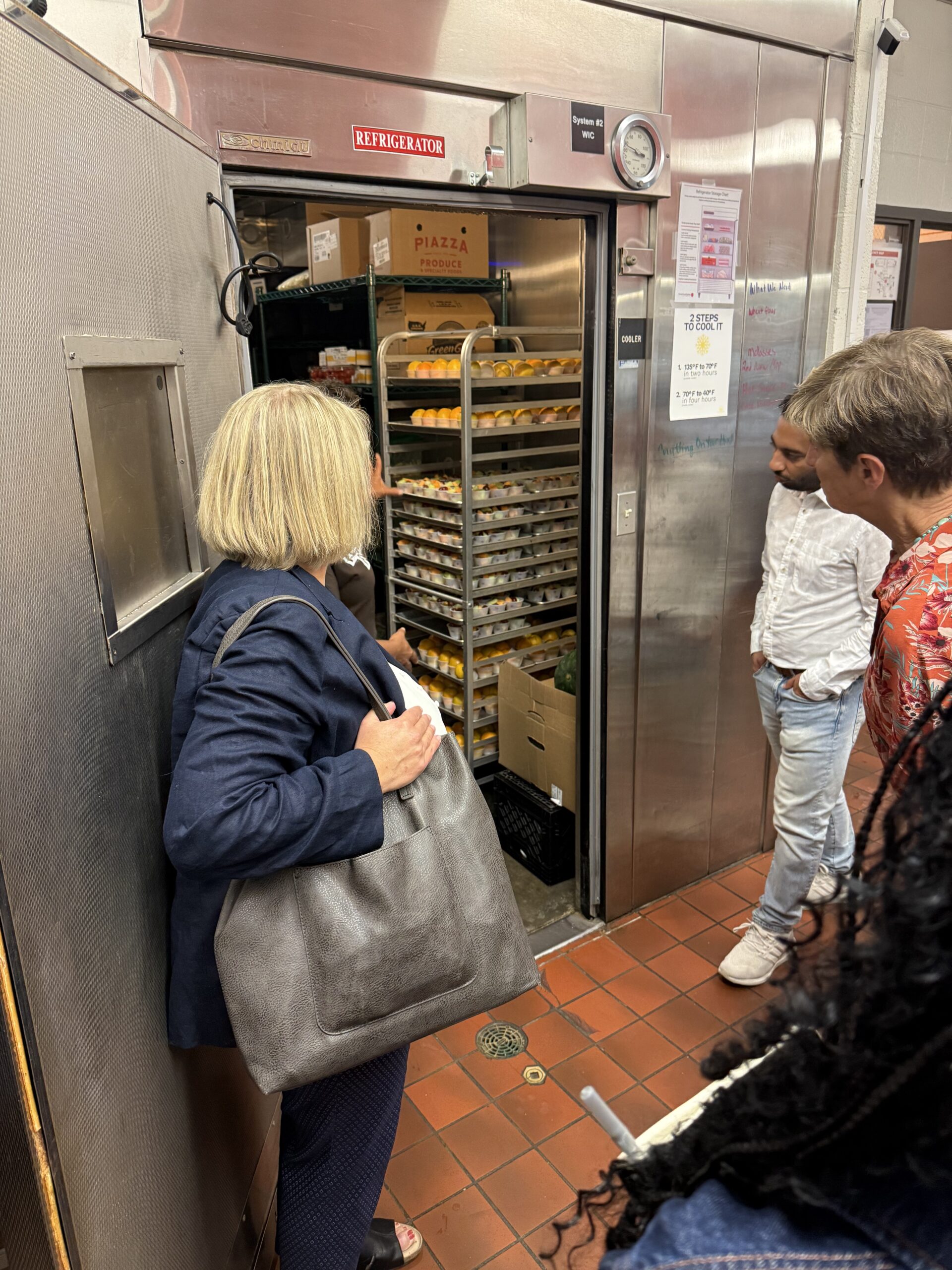
The frontlines of childhood hunger relief are in our school cafeterias. Every day in Marion County, thousands of children rely on school meals as their most dependable source of food. For many, these meals provide half of their daily calories, making the cafeteria one of the most powerful public health tools we have to fight childhood hunger. When kids are at school, they rely on the second-largest source of hunger relief: school meals. A Longer Table’s Next Course Cafeterias program takes a systems-level approach, working within schools to improve how meals are planned, prepared, and served.
The Need: A Longer Table’s most urgent need is funding to grow Next Course Cafeterias in two new schools next school year: $350,000. Federal dollars cover food and wages, but they do not cover the training, menu development, or systems work needed to launch this model. With donor investment, we will serve 200,000 more fresh meals in the first year, create 15 stable local jobs, and ensure every child in these schools has reliable access to food that fuels both learning and lifelong health.
This launch is the first step in a larger plan. With this growth, A Longer Table will be able to double school meal production to 3,500 daily meals, reaching over 2,500 youth annually. And beyond that, A Longer Table is laying the foundation to reach students in multi-site districts and networks across the region. To make that growth possible, we must prepare now by building durable infrastructure, strengthening procurement channels, training future kitchen leaders, and engaging families and students at every step. Donor support today will transform future communities through their cafeterias in a sustainable way and lay the foundation for a scalable, region-wide system that fights hunger inside the schools where children learn and grow.
For volunteer opportunities with A Longer Table, visit: https://alongertable.org/volunteer-opportunities/
Second Helpings, rescuing food, delivering meals to nonprofits, offering culinary job training
Americans throw away an enormous amount of food – an average of one pound of food each day for every man, woman and child in the country. That’s around 30% of our available food supply going directly into the trash. Second Helpings fights hunger in Central Indiana from every angle. They rescue food that would otherwise be thrown away, prepare it, deliver it to local nonprofits for free, and train people for careers in the culinary industry. They deliver more than a million meals every year—many of them to kids and seniors.
The Need: This fall, Second Helpings is taking on a project to expand our operations into a warehouse around the corner from our current facility. By expanding we will be able to operate our Food Rescue and Hunger Relief operations more efficiently and safely (see this video for more details.) For the first time our operations will exist in two separate spaces, and this will be the catalyst we need to help us grow to serve our community more. Our food rescue team and food redistribution process will be relocated into this new space. Currently they both operate out of our 7,000 sq. ft. dock and this expansion will double our space to 14,000 sq. ft. The warehouse necessitates some equipment and upgrades to outfit the facility according to our needs. However, our biggest need currently is to support the additional operational costs associated with our new space that will add about $200,000 to our annual operating budget over the next fiscal year, including items like the lease, staffing, electricity, and an upgraded security system.
For Second Helpings volunteer opportunities, visit: www.secondhelpings.org/volunteer/
About the CICF Collaborative
This annual seminar is presented by Central Indiana Community Foundation, Hamilton County Community Foundation, IMPACT Central Indiana, the Indianapolis Foundation, and Women’s Fund of Central Indiana, which are cornerstone entities of the CICF Collaborative.
The CICF Collaborative is a partnership of philanthropic organizations working together to strengthen communities across the region. Each entity within the CICF Collaborative brings deep knowledge, strong relationships, and its own individual, focused mission. The CICF Collaborative unities the entities by providing shared services, allowing the entities to operate more efficiently and effectively. By leveraging what we each do best, we’re able to better serve our communities and create more lasting impact, together.