Engage Younger Donors Before They're Older Donors
By Diana Coyle, CICF Director of Nonprofit Services and Sustainability
Many nonprofit fundraising strategies—especially planned-giving efforts—focus on Baby Boomers and Generation X. That makes sense: These generations currently represent many organizations’ most established donors and strongest near-term prospects for major and legacy gifts.
But a long-term fundraising strategy should also consider how your organization is building relationships with Millennials and Generation Z today.
Millennials are already an important donor audience. Bloomerang’s 2026 Giving Signals Report found that 75% of surveyed Millennials expected to give more in 2026, 80% planned to support at least one new cause, and 42% reported using donor-advised funds.
Gen Z donors are earlier in their careers and still developing their giving habits. That makes this an ideal time for nonprofits to begin earning their attention, participation, and trust.
For both generations, engagement is often driven by authenticity, shared values, meaningful experiences, and the opportunity to see a tangible connection between their involvement and community impact. They are looking for more than a transaction; they want to understand why an organization matters, how their participation contributes, and where they can have a role in creating change.
The goal is not to ask a 25- or 30-year-old to make an estate gift before a meaningful relationship exists. It is to develop supporters who may give, volunteer, advocate, lead, and deepen their connection over time, eventually creating the foundation for a legacy gift when the time is right. Legacy giving, in this context, is not the starting point of the relationship; it is one possible outcome of a relationship that has been intentionally nurtured over many years.
Here are several ways to begin…
Build authentic relationships
Younger supporters may discover your organization through social media, but a polished campaign alone will not create lasting commitment.
Fundraising—whether for an annual gift or a future bequest—is built on trust. Give supporters opportunities to meet staff, learn from organizational leaders, see programs in action, and understand the people and communities connected to your mission.
Show the difference a gift makes
Do not rely solely on your organization’s history, budget, or broad mission statement. Explain what donors make possible.
Use concrete examples, measurable results, and stories that show how contributions affect people and communities. Younger donors want to understand the connection between their support and the outcome.
Invite participation, not only donations
People often become committed donors after first engaging in other ways.
Offer meaningful volunteer opportunities, educational events, advocacy efforts, behind-the-scenes experiences, or conversations with staff and community partners. These experiences help supporters develop a personal connection to the mission rather than feeling like members of a fundraising audience.
Communicate openly
Trust grows when organizations explain how resources are used, acknowledge challenges, and report honestly on progress.
Share outcomes regularly through stories, photographs, program updates, financial information, and measurable results. Transparency should be part of the relationship, not limited to an annual report.
Make giving easy
Your donation process should be simple, mobile-friendly, and transparent. Review your website and giving form from a donor’s perspective.
Is it clear what a gift will support? Are there unnecessary steps? Are processing fees disclosed? Can donors easily choose a recurring contribution?
Reducing friction communicates that you value the donor’s time and experience.
Introduce long-term giving gradually
Planned giving does not need to begin with a direct request for a bequest.
You can introduce the idea that supporters are part of a long-term community around your mission. Talk about sustaining the work for future generations. Explain that donors can support the organization through recurring gifts, donor-advised funds, appreciated assets, beneficiary designations, and estate plans at different stages of life.
The message is not “Make a legacy gift now.” It is “We hope this mission remains meaningful to you for many years.”
Include younger generations in family philanthropy
Younger family members often want an active role in charitable decisions rather than simply inheriting responsibility later.
Encourage current donors to include children and grandchildren in conversations about family values, nonprofit organizations, volunteer experiences, and grantmaking. These discussions can help your organization build genuine relationships across generations.
The donors most likely to make future legacy gifts may be the people whose relationships you begin cultivating today. By inviting Millennials and Gen Z to participate now, your organization can strengthen annual giving, develop future leaders, and create a foundation for long-term philanthropic support.
Our team would be glad to serve as a sounding board as you consider how to engage younger supporters, communicate your impact, and build a fundraising strategy that connects annual, major, and planned giving.
About the Author
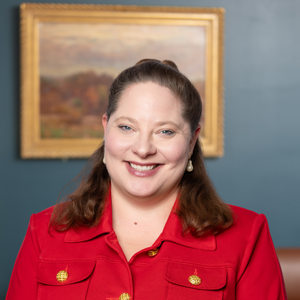
Diana Coyle, director of nonprofit services and sustainability, is dedicated to helping Central Indiana nonprofits access the tools, knowledge, and relationships they need to thrive. In collaboration with her CICF colleagues, she supports nonprofits and CICF fundholders by offering professional development, resources, and technical assistance that strengthen organizations and their leaders. With more than 15 years of experience in leadership and community engagement, she is committed to fostering connections that amplify nonprofit missions and create lasting impact across the region.
Continue the Conversation: Email the Author
We’d love to hear your questions, ideas, and feedback. Use the form below to send a message directly to this article’s author.