Beyond the Will: Make Estate Planning Part of the Conversation
Written by Diana Coyle, CICF Director of Nonprofit Services and Sustainability
Think estate planning starts and ends with a will? Think again. While a will is an important piece of the puzzle, it is just one part of a much bigger picture. As National Estate Planning Awareness Week approaches October 19–25, it’s a good opportunity to look beyond the will and consider the many decisions that shape how your wishes, values, and assets are carried forward.
Retirement accounts, life insurance policies, bank and brokerage accounts, real estate, and other assets may pass outside a will through beneficiary designations, joint ownership, or trusts. Estate planning gives donors an opportunity to think more intentionally about what they value, the people and causes they want to support, and how they want their resources to be used in the future. For nonprofits, that creates an opportunity to move beyond simply encouraging donors to “write a will” and instead invite them into a broader conversation about the legacy they want their philanthropy to create.
That makes October a natural time to build on—not repeat—the conversations you may have started in August during Make-A-Will Month. You do not need a sophisticated planned giving program or a dedicated staff member to participate. A few well-timed communications can introduce legacy giving to donors who have never considered it and remind longtime supporters to review existing plans.
Keep the message focused on mission rather than technical details. Help donors imagine how a future gift could extend the impact of their generosity today, and encourage them to work with professional advisors to determine the approach that is right for them.
1. Put legacy giving in front of donors
Send an email or include a short article in your October newsletter reminding supporters that an estate plan can provide for both people and causes they care about. Mention that charitable gifts may come through wills, trusts, retirement accounts, life insurance, and other beneficiary-designated assets. You do not need to explain each option—simply make clear that legacy gifts are welcome.
Looking for a starting point? Use the sample language below in your October newsletter, and customize it to reflect your organization’s voice and mission.
What Matters to You Can Be Part of Your Legacy
The people and causes you care about can continue to make a difference for generations to come. An estate plan can help you provide for the people you love while also supporting the organizations and causes that reflect your values.
If [Organization Name] is meaningful to you, consider including our mission in your plans. Charitable gifts can be made in many ways, including through a will, trust, retirement account, life insurance policy, or other beneficiary-designated asset.
Your legacy is personal, and there is no one right way to create it. If you are creating or updating your estate plan, we invite you to consider how your generosity can help [Organization Name] continue [insert mission/impact statement].
Interested in learning more? [Insert planned giving webpage, contact information, or other resource.]
2. Invite donors to tell you about their plans
Some loyal supporters may already have included your organization in an estate plan without telling you. Give them an easy opening: “If you have included our organization in your estate plan, we would be honored to hear from you so we can thank you and better understand your wishes.”
3. Make the information easy to find
Look at your website from a donor’s perspective. Is there an easy-to-find page explaining how someone can support your organization through an estate plan? Include clear contact information so donors and their advisors know whom to reach with questions.
4. Tell a story about the future
Planned giving is about impact, not documents. Use a donor story, social post, or newsletter feature to show what a legacy gift could sustain, protect, expand, or make possible for the next generation.
You also do not need to have a donor with a large, headline-making gift to tell a meaningful story. A legacy gift of any size can represent a donor’s belief in your mission and their desire to see it continue. If you have permission to share a donor’s story, consider highlighting not only what they gave, but why they gave and what they hope their gift will make possible.
Looking for a starting point? Ask a longtime donor, board member, volunteer, or legacy society member one simple question: “What do you hope our organization makes possible 10, 20, or 50 years from now?” Their answer may be the beginning of your next planned-giving story.
5. Keep legacy giving in the conversation
Do not let the topic disappear after one awareness week. Mention legacy giving naturally throughout the year alongside other ways donors support your mission. Different moments can emphasize different aspects: wills, broader estate planning, beneficiary designations, or the long-term impact of a future gift.
And when a donor expresses interest, make a note of the conversation. A simple record that a donor is interested in learning more about legacy giving, has named your organization in their plans, or wants to revisit the conversation at a later date can be valuable. Documenting these touchpoints creates continuity—not only for you, but for the next staff member who may steward that relationship. A conversation that happens today can become a meaningful starting point for future follow-up rather than getting lost in an inbox, meeting notes, or staff transition.
You do not need to become an estate planning expert. Your role is to open the door, not provide legal, tax, or financial advice. Our team can be a sounding board as you become more comfortable talking about legacy giving, encounter questions about charitable giving options, or look for ways to integrate planned giving into ongoing donor communications.
About the Author
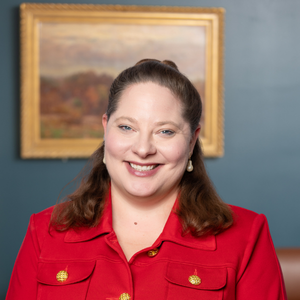
Diana Coyle, director of nonprofit services and sustainability, is dedicated to helping Central Indiana nonprofits access the tools, knowledge, and relationships they need to thrive. In collaboration with her CICF colleagues she supports CICF fundholders offering professional development, resources, and technical assistance that strengthen organizations and their leaders. With more than 15 years of experience in leadership and community engagement, she is committed to fostering connections that amplify the missions of nonprofits and create lasting impact across the region.
Continue the Conversation: Email the Author
We’d love to hear your questions, ideas, and feedback. Use the form below to send a message directly to this article’s author.