Loyalty wins: Keeping donors close
By Diana Coyle, CICF Director of Nonprofit Services and Sustainability
Over the last several years, nonprofits have become more comfortable navigating periods of rapid change. From shifting donor expectations to technological advances and evolving economic pressures, organizations are being asked to adapt faster than ever before. While these changes can feel burdensome with a revolving door of priorities, they also present important opportunities for intention. Nonprofits that are willing to evolve thoughtfully and strategically can elevate their work and impact.
One major trend is the growing emphasis on donor retention rather than simply focusing on new donor acquisition. Nonprofit organizations are increasingly recognizing that long-term supporters are among their most valuable assets. Donors want to feel connected to the mission, understand the impact of their gifts, and see themselves as partners in the organization’s work. As a result, stewardship, personalized communication, and meaningful engagement are becoming even more important. When these elements are done right, donors not only develop a deeper sense of ownership in the organization’s impact but also become powerful advocates. They help build awareness, foster trust, and advance the mission in the broader community.
Here are factors to consider in your donor retention strategies:
Focus on planned giving
Deepening relationships with existing donors is also the best way to build a pipeline for planned giving and long-term philanthropy. As the Great Wealth Transfer continues, donors across many income levels are thinking more intentionally about legacy, family values, and charitable impact. Organizations that make planned giving conversations approachable and accessible may find new opportunities to deepen donor relationships across generations.
Keep an eye on technology
Artificial intelligence and automation tools are helping many nonprofits personalize donor outreach, streamline administrative work, and better analyze fundraising trends. While technology can improve internal efficiency, experts continue to emphasize that successful fundraising remains rooted in genuine human connection. Donors still want authentic relationships, transparency, and trust. Coffee conversations and other personal touchpoints should remain essential to your donor engagement strategy. While video updates, automated messages, and other communication tools can help maintain consistent connections between in-person meetings, they should complement, not replace, the relationship-building that happens through face-to-face interactions. Thoughtful use of both approaches allows organizations to stay connected, share impact regularly, and continue cultivating the trust and authenticity that deepen donor relationships over time.
Build trust
You’ve likely already noticed a growing demand for flexibility and trust-based philanthropy. Many donors are showing greater interest in unrestricted giving and multi-year support, recognizing that nonprofits need stable resources to respond effectively to changing community needs. Organizations that clearly communicate impact and demonstrate strong leadership may be better positioned to inspire this kind of long-term donor confidence.
Don’t overlook the opportunity to talk with donors about the value of sustained support. Multi-year gifts create a stronger foundation for the organization, enabling thoughtful planning, greater responsiveness to community needs, and continued investment in mission-driven work. By illustrating the tangible impact of long-term commitments, organizations can invite donors to see themselves not simply as supporters, but as partners in creating lasting change.
Adapt for generational changes
Younger donors often prioritize values-driven giving, collaboration, and community engagement. Many want to participate actively in charitable work rather than simply writing a check. This creates opportunities for nonprofits to build deeper engagement through volunteerism, storytelling, donor education, and family philanthropy initiatives.
As always, please lean on the team at CICF during this time of change and opportunity. We are here to share expertise that allows you to elevate your work and impact.
About the author
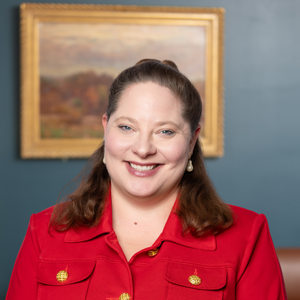
Diana Coyle, director of nonprofit services and sustainability, is dedicated to helping Central Indiana nonprofits access the tools, knowledge, and relationships they need to thrive. In collaboration with her CICF colleagues she supports CICF fundholders offering professional development, resources, and technical assistance that strengthen organizations and their leaders. With more than 15 years of experience in leadership and community engagement, she is committed to fostering connections that amplify the missions of nonprofits and create lasting impact across the region.
Continue the Conversation: Email the Author
We’d love to hear your questions, ideas, and feedback. Use the form below to send a message directly to this article’s author.