Make-A-Will Month: An Opportunity to Grow Legacy Giving
By Diana Coyle, CICF Director of Nonprofit Services and Sustainability
August is recognized as Make-A-Will Month, offering nonprofit organizations a timely opportunity to encourage supporters to think not only about how they give today, but also about the legacy they hope to leave.
Planned giving can feel intimidating. Staff members may worry that discussing estate gifts requires extensive legal knowledge or that only the wealthiest donors will be interested. In reality, many charitable bequests are straightforward, and supporters at a wide range of giving levels can include a nonprofit in their estate plans.
A strong planned-giving program can begin with a simple reminder: If your organization’s mission has been meaningful to someone during their lifetime, they can help sustain that work for future generations through a gift in a will or trust.
These conversations are especially important as wealth begins transferring from older generations to their children and grandchildren. That transfer does not guarantee increased charitable giving. Nonprofits must help donors understand that their estate plans can reflect not only whom they love, but also the values, causes, and communities that have shaped their lives.
Rather than leading with tax benefits or technical planning strategies, invite supporters to consider questions such as:
- What do you want your legacy to say about what mattered to you?
- Which organizations have made a meaningful difference in your life or community?
- How could a future gift help ensure that work continues?
- Are there charitable values you hope to pass along to your family?
A charitable bequest can communicate something powerful: “This cause mattered to me, and I want its work to continue.”
Make legacy giving more visible
Make-A-Will Month gives your organization a natural reason to introduce or reinforce this message. A few practical steps can help:
Review your website
Include a clear, concise page explaining that supporters may include your organization in a will or trust or name it as a beneficiary of a retirement account, life insurance policy, or other financial account.
Keep the language accessible. Focus not only on how to make a gift, but also on the difference that future support can make.
Share the stories behind legacy gifts
When possible, highlight a supporter who has included your organization in an estate plan. Explain what inspired the donor, why the mission mattered, and what they hope their gift will accomplish. These stories help other supporters imagine what their own legacy could look like.
Extend a clear invitation
Many donors do not realize that nonprofits welcome estate gifts of all sizes. A simple sentence in a newsletter, annual report, donor letter, or website may be enough to begin the conversation:
If our mission has been meaningful to you, we would be honored if you considered including our organization in your estate plans.
Sometimes the invitation itself is the most important step.
Build on existing relationships
Legacy gifts rarely result from a single solicitation. They develop through trust, stewardship, and a donor’s long-term connection to the mission.
Supporters who have volunteered, served on the board, attended events, given consistently, or supported a campaign may be especially receptive because they already understand and value your work. Planned-giving conversations should feel like a natural extension of that relationship, not a separate fundraising transaction.
Ask for help when a gift becomes complex
Some legacy gifts involve privately held business interests, real estate, charitable trusts, or other assets and structures that require additional expertise.
Our team can help you and the donor explore potential options alongside the donor’s legal, tax, and financial advisors. In some circumstances, establishing a charitable fund to receive and administer a complex gift may allow the donor to support your organization while simplifying the process for your staff. Additionally, as a fundholder, we can serve as an extension of your team, helping you navigate the complexities of planned and legacy gifts and providing guidance when opportunities arise through these conversations.
Make-A-Will Month is not only about encouraging people to complete legal documents. It is an opportunity to help supporters think intentionally about the causes they want to sustain and the difference they hope to make for generations to come.
About the Author
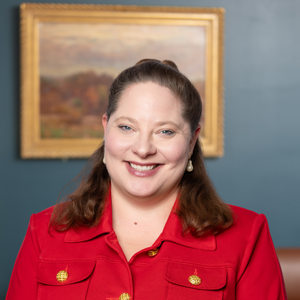
Diana Coyle, director of nonprofit services and sustainability, is dedicated to helping Central Indiana nonprofits access the tools, knowledge, and relationships they need to thrive. In collaboration with her CICF colleagues, she supports nonprofits and CICF fundholders by offering professional development, resources, and technical assistance that strengthen organizations and their leaders. With more than 15 years of experience in leadership and community engagement, she is committed to fostering connections that amplify nonprofit missions and create lasting impact across the region.
Continue the Conversation: Email the Author
We’d love to hear your questions, ideas, and feedback. Use the form below to send a message directly to this article’s author.