Building the Board Your Mission Needs
By Diana Coyle, CICF Director of Nonprofit Services and Sustainability
Recruiting nonprofit board members has always required thoughtful planning. It can feel like a full-time job just finding the people who are passionate and knowledgeable about your mission, willing to invest their time with a multi-year commitment, and prepared to help lead the organization.
Once they are in place, keeping them engaged can be just as challenging.
Today’s nonprofit boards are expected to do much more than attend meetings and approve motions. They provide governance, strengthen financial oversight, support fundraising, serve as ambassadors in the community, and help organizations navigate an increasingly complex environment.
As you think about your own board, it may be worth asking not simply whether members are engaged, but whether they’re equipped to help your organization succeed today and in the future. As you prepare for your next board meeting, think about how you can integrate these topics into a discussion where shared expectations are revisited or established.
Engagement begins before the meeting
Effective board members arrive prepared. They review financials, ask thoughtful questions, understand their fiduciary responsibilities, and contribute to meaningful discussions. Strong board engagement is built on curiosity, accountability, and consistent engagement, not simply attendance.
As meeting agendas are prepared and distributed, do board members have time to review materials and come prepared with questions and feedback? Additionally, when building meeting discussion topics, is adequate time shared so dialogue can occur prior to decision making?
Keep the mission at the center
Great boards help organizations stay focused on why they exist while also thinking strategically about what’s ahead. They balance the opportunity to dream with the realities of the environment and system they are working within today. They understand the difference between governance and management, empowering staff to lead day-to-day operations while providing guidance on long-term direction and organizational sustainability. Everyone has a role in fundraising
Not every board member will make the ask, but every board member can help advance philanthropy.
That might mean making a personally meaningful gift, introducing a prospective donor, hosting a small gathering, identifying potential corporate sponsors, or sharing why they care about your mission. Each board member should actively cultivate and leverage their personal, professional, and community connections to build relationships that support the organization’s fundraising priorities. Fundraising works best when it’s viewed as relationship-building, not simply solicitation
Community connections matter
Board members often bring networks that can introduce your organization to donors, corporate partners, elected officials, volunteers, and future board members. Those relationships can expand both visibility and opportunity.
Don’t spend months perfecting an elevator pitch. Instead, encourage board members to share why they chose to serve and what the organization’s mission means to them. Every board member brings a unique perspective, and those authentic stories demonstrate that there are many paths to saying “yes” to organizational leadership. Genuine, personal experiences are almost always more compelling than scripted talking points.
Build the board you need next
Many nonprofit boards were assembled to meet yesterday’s challenges. As your organization evolves, periodically evaluate whether your board reflects the expertise you’ll need moving forward. Do you have members with experience in finance, law, fundraising, communications, technology, human resources, program design, organization development, or community leadership? Are there perspectives, identities, or voices that would strengthen your work?
Identify the priorities for your ideal board composition and intentionally build a board matrix to track the skills, experiences, perspectives, networks, and expertise represented on your board. Use the matrix to anticipate when members will transition off the board so you can proactively recruit future leaders. Thoughtful succession planning helps preserve institutional knowledge, maintain critical areas of expertise, and ensure a smooth transition from one generation of board leadership to the next.
Looking for an event to meet prospective committee and board members? Each year Leadership Indianapolis hosts Get on Board. Here, attendees can mix and mingle with the nonprofit boards shaping the community and identify how they can get involved. If you haven’t participated before, you can find more information here. Strong boards don’t happen by accident. They grow through intentional recruitment, thoughtful onboarding, ongoing education, and regular evaluation.
At CICF, we believe board development is one of the most important investments a nonprofit can make in its long-term success. Whether you’re recruiting new members, strengthening governance practices, or preparing for your next stage of growth, our team is happy to serve as a sounding board. Through CICF and our colleagues at Charitable Advisors, we can also connect you with additional resources, education, and peer learning opportunities to help your board thrive.
About the author
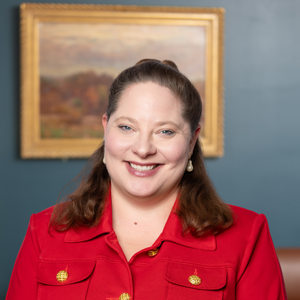
Diana Coyle, director of nonprofit services and sustainability, is dedicated to helping Central Indiana nonprofits access the tools, knowledge, and relationships they need to thrive. In collaboration with her CICF colleagues she supports CICF fundholders offering professional development, resources, and technical assistance that strengthen organizations and their leaders. With more than 15 years of experience in leadership and community engagement, she is committed to fostering connections that amplify the missions of nonprofits and create lasting impact across the region.
Continue the Conversation: Email the Author
We’d love to hear your questions, ideas, and feedback. Use the form below to send a message directly to this article’s author.