Stop the Turnover: How to Attract and Keep Development Directors
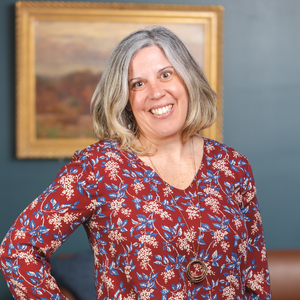
Written by Jennifer Turner – CICF Vice President of Philanthropy
I have spent much of my career in fundraising, including development at an arts organization during the pandemic. I know how heavy this work can feel when needs rapidly evolve or expectations suddenly change, especially since fundraisers never really get to cross a finish line.
This can take a toll. If not managed well, the toll can lead to an exit. My success as a long-serving development director at the Indiana Repertory Theatre came down to four main ingredients:
- Knowing donors well
- Trusted relationships with leadership and the board
- A great team behind me
- Access to reliable and accurate data within our system
As you’ll notice, some of these are things I couldn’t have supplied on my own.
Today, nonprofit leaders are especially concerned about turnover on the development side. It is easy to see why; for many nonprofits, this is the engine room.
Let’s examine some common patterns and solutions for high turnover among fundraisers.
Good development starts before the hire
Before starting interviews or even posting the position, nonprofit leaders should know what kind of fundraising program their next hire will inherit. Do you have an accurate donor database? Do you have active prospects? Does the organization understand where current fundraising comes from and where opportunities exist?
Next, set clear expectations for a new hire, especially during their first 90 days if they’re coming from outside your organization. Before they hit the pavement, how long do they have to learn about the organization, understand the donor base, review past fundraising, or to build internal relationships?
Above all, try to avoid handing them a new campaign or a new event before they have had a chance to accomplish all the above. If they must start in the midst of a new campaign or event, be sure to provide your new hire with the necessary support so that they aren’t having to execute while also learning.
Leadership is part of good fundraising
In addition to clear expectations, your new fundraiser also needs regular access to the CEO alongside timely introductions to major donors and community partners.
One of the clearest examples from my experience at the IRT was at the onset of the pandemic. We all have our pandemic stories, and I hope to never again repeat the decisions I had to face in the first six months of the pandemic. However, the silver lining of that time was the trusted relationships that I had built with leadership and the board as well as the depth of knowledge and data I had of our donors. We were able to come together and do budget scenarios that allowed us to find an achievable path forward.
None of it was easy, and in all honesty, there is bound to be fundraiser fatigue from the constant need to keep the program healthy and growing, especially when there are so many factors outside of our control. But having the trust of leadership along the way probably makes the biggest difference in how long a development leader will stay.
When it comes to fundraising itself, board members have a role here, too. While every member may not raise or donate in the same way, each should understand how they support development. For instance, they can
- make their own gifts
- open doors to new prospects
- personally thank donors
- attend donor meetings
Above all, when it comes to leadership and fundraising, don’t cut your development director out of development discussions. In other words, avoid sudden increases to a fundraising strategy merely to fill a budget gap. That’s not to say there aren’t times where organizations need to pivot. Just be sure development is in the room and leadership has an idea about where the growth will come from.
A thoughtful stretch goal can actually motivate a team, but an unsupported one can burn them out.
Don’t put all your eggs in one basket
Good fundraising is personal and relational, but those relationships should also be stored somewhere in the organization itself.
I worked at the IRT for nearly 16 years, running the development program for the final seven. However, in this field, my longevity at the IRT is the exception, not the rule. When the time came, there was a strong (and documented!) foundation to guide new development leadership. That includes well-stewarded relationships with donors that transcend personnel.
If everything lives in the head of the current development professional, then you’re back at square one when they leave. Be sure they use Constituent Relationship Management software, document donor histories, track stewardship, keep grant calendars up to date, and have some record of processes.
Today, it’s a privilege to go back to the IRT and see how the development program has continued to evolve after my time there. That’s the goal: we are at our organizations for whatever period of time, building growth and sustainability, and we pass the baton so that the person after us can hit the ground running.
About the Author
Jennifer Turner has a passion for creating partnerships and connections within the community to create meaningful impact. As vice president of philanthropy at CICF, she helps support more than 1,300 families, companies, and not-for-profits design philanthropic plans that are both meaningful and impactful. With expertise in fundraising, capital campaigns, planned giving, and more, Jennifer helps organizations of all kinds maximize their missions and ensure their long-term sustainability.