The work of a lifetime: Stewardship and aging donors
By Diana Coyle, CICF Director of Nonprofit Services and Sustainability
Many nonprofit organizations are fortunate to have supporters whose generosity has sustained their mission for years, and sometimes decades. These are the donors who have stood beside your organization through leadership transitions, economic downturns, capital campaigns, and moments of celebration. They know your mission because they’ve helped build it and have been instrumental in the longstanding impact you have made in the community.
As those donors grow older, however, stewardship can take on a new dimension.
Most conversations with longtime donors remain exactly what you’d expect: thoughtful, relational, generous, and inspiring. Occasionally, though, you may notice something that gives you pause. A donor seems confused about a previous gift. A family member suddenly begins directing conversations. Long-held charitable plans change without explanation.
As nonprofit professionals, we’re not physicians, attorneys, or financial advisors, nor should we try to become them. But because we often have trusted relationships with donors that span many years, we may be among the first to notice when something feels different.
Here are a few situations where it’s worth slowing down and asking thoughtful questions.
A donor seems unusually confused
Everyone forgets details from time to time. But if a longtime supporter suddenly struggles to remember recent gifts, asks the same questions repeatedly, or seems uncertain about charitable commitments they’ve discussed before, consider refocusing the conversation.
Following meetings, provide written summaries, document important conversations, and when appropriate, encourage the donor to review decisions with trusted family members or professional advisors.
Giving priorities change dramatically
Donors absolutely have the right to change their minds.
Still, if someone who has supported one cause for decades shares that they suddenly want to make a significant gift to an unfamiliar organization after receiving a phone call or solicitation, it’s appropriate to ask open-ended questions.
“What interested you about this organization?”
“How does this fit with the goals you’ve shared with us over the years?”
Questions like these aren’t about steering decisions. They’re about ensuring donors have the information they need to make choices that align with their areas of interest for impact and community development.
Someone new begins speaking for the donor
Family members, caregivers, and advisors often play valuable roles as people age.
Rather than focusing on whether someone accompanies the donor, focus on ensuring the donor remains comfortable, informed, and included in the conversation. Whenever possible, continue engaging the donor directly while documenting key discussions with care. As trusted family members or advisors become more involved, take the opportunity to better understand their role in the donor’s philanthropy. Building a relationship with them isn’t about shifting your focus away from the donor—it’s about supporting the donor’s wishes and ensuring continuity as needs and responsibilities evolve.
Estate plans haven’t been reviewed in years
Many donors assume documents they signed years ago still reflect their wishes. A simple reminder to review wills, beneficiary designations, charitable provisions, and fund agreements can help ensure everything remains aligned with their current goals.
This is particularly important when donor-advised funds, endowment gifts, or other planned giving arrangements are involved. Regular, proactive conversations can help donors feel confident that their plans continue to reflect both their intentions and their values. These conversations ensure donors are informed, confident, and empowered to make decisions that best reflect their current goals.
Stewardship Means Looking Ahead
One of the best things you can do is prepare before concerns ever arise.
Encourage longtime donors to introduce you to the trusted advisors (attorneys, financial advisors, accountants) and family members who help them make important decisions. Those relationships create continuity, strengthen trust, and make future conversations much easier if circumstances change.
Above all, remember that most older donors remain fully capable of making thoughtful charitable decisions. They deserve the same respect and autonomy they’ve always had. Our role isn’t to question their generosity. It’s to help ensure their charitable intentions are understood, honored, and protected.
If you ever encounter a situation that feels uncertain, please don’t hesitate to reach out. Robin and I are always happy to serve as sounding boards. Sometimes another perspective is all it takes to help a nonprofit leader navigate a sensitive conversation with confidence.
About the author
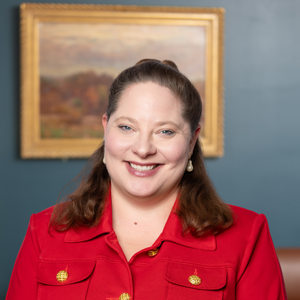
Diana Coyle, director of nonprofit services and sustainability, is dedicated to helping Central Indiana nonprofits access the tools, knowledge, and relationships they need to thrive. In collaboration with her CICF colleagues she supports CICF fundholders offering professional development, resources, and technical assistance that strengthen organizations and their leaders. With more than 15 years of experience in leadership and community engagement, she is committed to fostering connections that amplify the missions of nonprofits and create lasting impact across the region.
Continue the Conversation: Email the Author
We’d love to hear your questions, ideas, and feedback. Use the form below to send a message directly to this article’s author.