Three ways to better steward DAF donors
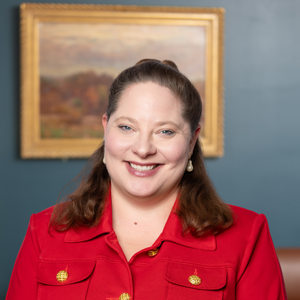
By Diana Coyle, CICF Director of Nonprofit Services and Sustainability
Donor-advised funds have become one of the fastest-growing charitable giving tools in the country, and chances are your organization already receives grants from them.
Yet many nonprofit leaders tell me the same thing: We appreciate these gifts, but we don’t always know how to build relationships with the people behind them.
It’s an understandable question.
Because grants come from a community foundation rather than directly from an individual donor, it can sometimes feel like there’s an extra layer between your organization and the person making the charitable decision.
Behind every donor-advised fund grant is someone who has intentionally chosen to support your mission, someone who sees great value in the work and impact you are making in the community, so much so they want to invest funds into your organization to amplify that impact. Many of these donors are deeply engaged in philanthropy, work closely with professional advisors, volunteer in their communities, and think carefully about the impact they want their giving to have.
Robin Elmerick, Senior Director of Effective Philanthropy, works with many of these fundholders every day. One thing we consistently see is that donor-advised funds aren’t replacing relationships. They’re simply one tool donors use to organize their philanthropy.
Here are three ways your organization can strengthen those relationships.
Remember there’s always a person behind the grant
A donor-advised fund is a giving vehicle, not the donor.
Whenever possible, acknowledge the individual or family who recommended the grant, not simply the fund that distributed it. Their charitable decision began with a personal commitment to your mission.
When you receive a grant from a DAF held with us, your organization also receives a corresponding grant award letter. This shares the following:
- the name of the granting fund (i.e. The Jane and John Doe Fund)
- the intended use of the funds (general operating, a specific project, etc.)
- the award amount
In addition to these key elements, we also highlight where to send thank you letters or whatever acknowledgment you prefer to send. These get added directly to the donor’s online giving portal so they can reference them now and have a historical record of which grantees have thanked them for their support.
We encourage you to use this opportunity to go beyond a short, transactional form letter. Address the fund by name, and use the opportunity to not only share gratitude, but also as a chance to tout recent milestones and successes that their gift supported.
Make giving easy
Make it simple for donors to recommend grants from their donor-advised funds.
Include basic information on your website explaining that you accept donor-advised fund grants, and make sure your organization’s legal name, tax ID number, and contact information are easy to find. Those small details help grant recommendations move smoothly.
Steward DAF donors like every other major donor
One of the biggest misconceptions is that donor-advised fund donors require a different stewardship strategy. They don’t.
Many DAF holders become an organization’s most loyal, long-term supporters because they’re already thinking intentionally about philanthropy. If you have a personal relationship with them already, be sure to invite them to events, share stories of impact, and report back on how their gifts are making a difference. Continue building authentic relationships over time. If you don’t know the donors and don’t have a way of contacting them, I can help connect you to their philanthropic advisor who can help ensure your communications are shared with the family/fund supporting your organization.
We encourage deeper engagement. Our role isn’t simply to process grants. We work closely with donors to help them understand community needs, connect with nonprofits, and make thoughtful decisions about their philanthropy.
That’s one of the advantages of working with a local community foundation. We know the organizations, the opportunities, and the challenges shaping Central Indiana, and we enjoy helping donors and nonprofits build meaningful connections. Reach out to me directly if you have an urgent need that we might be able to share with donor-advised fundholders.
The reality is that every donor-advised fund is different because every donor is different. Some donors welcome direct relationships with the organizations they support. Others prefer to give quietly and rely on their philanthropic advisor to stay connected to the causes they care about.
Whatever a donor’s preference, the fundamentals remain the same: steward every gift well, make it easy for donors to support your work, and share meaningful stories of impact. Whether your message goes directly to a donor or reaches them through their philanthropic advisor or online giving portal, thoughtful stewardship helps donors understand the difference their generosity is making and can strengthen their connection to your mission over time.
About the author
Diana Coyle, director of nonprofit services and sustainability, is dedicated to helping Central Indiana nonprofits access the tools, knowledge, and relationships they need to thrive. In collaboration with her CICF colleagues she supports CICF fundholders offering professional development, resources, and technical assistance that strengthen organizations and their leaders. With more than 15 years of experience in leadership and community engagement, she is committed to fostering connections that amplify the missions of nonprofits and create lasting impact across the region.
Continue the Conversation: Email the Author
We’d love to hear your questions, ideas, and feedback. Use the form below to send a message directly to this article’s author.