Tracking Planned Giving Progress Without Overcomplicating It
By Diana Coyle, CICF Director of Nonprofit Services and Sustainability
Unlike an annual campaign, planned giving is built on relationships that may develop over many years. A donor may first express interest today, document an intention several years from now, and make a realized estate gift much later.
That long timeline does not mean your organization must wait decades to know whether its efforts are working. Instead of measuring success only by completed bequests, track the activities and milestones that make future legacy gifts more likely.
Here are a few practical places to begin.
Track meaningful conversations
One of the strongest indicators of a healthy planned-giving program is the number of substantive conversations your team is having with donors.
A meaningful conversation does not need to result in an immediate commitment. It might help you understand a donor’s values, family circumstances, long-term connection to the organization, or interest in making a future gift.
A useful question to ask is:
Did this conversation deepen the relationship or make it more likely that the donor will consider including our organization in a long-term charitable plan?
Document the date, participants, key interests, and appropriate next step. These notes provide a valuable foundation for thoughtful follow-up and continuity over time, while also ensuring future staff members have the context they need to carry the relationship forward if a transition occurs.
Record and celebrate documented intentions
When a donor tells you that your organization is included in an estate plan, record that intention when the donor is comfortable providing the information.
Some organizations use a simple confirmation form or letter of intent. Others document the donor’s verbal notification in their database. The process should reflect your organization’s capacity and the donor’s preferences.
Although these commitments are generally revocable and should not be treated as guaranteed revenue, tracking them helps you understand how your legacy program is developing. It also creates an opportunity to thank and recognize donors appropriately.
Measure stewardship
The work does not end after a donor documents a legacy intention. Continued stewardship helps affirm the donor’s decision and strengthens their connection to the mission.
Track activities such as:
- Personal meetings
- Phone calls
- Thoughtful email exchanges
- Invitations to mission-related events
- Program updates
- Opportunities to meet staff or organizational leaders
- Recognition through a legacy society, when appropriate
The goal is not simply to increase the number of contacts. Focus on interactions that are personal, relevant, and connected to the donor’s interests.
Review the visibility of planned giving
Legacy giving should not depend on one staff member remembering to mention it occasionally.
Review your website at least annually to make sure planned-giving information is easy to find and understand. Include donor stories or brief legacy messages in newsletters, annual reports, event materials, and other communications throughout the year.
These consistent reminders help donors understand that estate gifts are welcomed and that planned giving is a normal part of supporting the organization.
Set a small number of achievable goals
You do not need an extensive dashboard to begin measuring progress. Choose a few metrics that reflect the current stage of your program.
Those might include:
- Meaningful donor conversations
- New documented legacy intentions
- Stewardship contacts with legacy donors
- Prospective donors identified for follow-up
- Planned-giving communications published
- Staff or board members trained to discuss legacy giving
Set goals that are realistic for your team while still encouraging consistent activity. Over time, compare results from year to year and adjust your approach based on what you learn.
Keep the system manageable
A tracking process should support relationship-building, not compete with it.
If staff members spend more time entering data and preparing reports than speaking with donors, the system is probably too complicated. Decide what information will genuinely help your team make decisions, coordinate follow-up, and demonstrate progress.
A simple spreadsheet, a few fields in your donor database, or a brief quarterly report may be enough.
Planned giving develops over time, but progress can still be measured along the way. By tracking meaningful conversations, documented intentions, stewardship, and consistent outreach, your organization can build accountability and recognize momentum long before an estate gift is realized.
About the Author
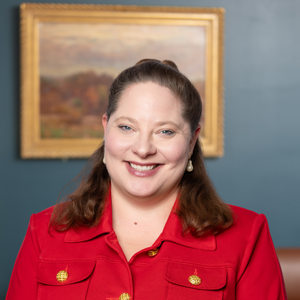
Diana Coyle, director of nonprofit services and sustainability, is dedicated to helping Central Indiana nonprofits access the tools, knowledge, and relationships they need to thrive. In collaboration with her CICF colleagues, she supports nonprofits and CICF fundholders by offering professional development, resources, and technical assistance that strengthen organizations and their leaders. With more than 15 years of experience in leadership and community engagement, she is committed to fostering connections that amplify nonprofit missions and create lasting impact across the region.
Continue the Conversation: Email the Author
We’d love to hear your questions, ideas, and feedback. Use the form below to send a message directly to this article’s author.