Which road for appeals to donors? All the above
By Diana Coyle, CICF Director of Nonprofit Services and Sustainability
Not long ago, a nonprofit could mail a year-end letter and expect most supporters to see it. Today, donors are spread across multiple inboxes, social feeds, websites, events, workplaces, and giving platforms. That makes fundraising harder because your organization needs to show up in more than one place.
As you prepare your year-end appeal, ask yourself what you are intentionally doing to connect with each donor.
Donors need to “meet” an idea more than once
A donor who glances at “Remember us in your will” in a newsletter may barely register it. Then she reads a story on your site about someone who made a legacy gift. Months later, she hears your executive director mention the endowment at a fundraiser. Each encounter makes the idea more familiar and the next step easier.
Start by weaving legacy messages into communications you’re already sending rather than relying only on separate planned giving campaigns. The goal is several chances to encounter the idea, in different ways at different times.
Different channels do different jobs
Think about what each channel does best:
- Social media builds visibility and quickly tells stories.
- Your website is where donors go when they’re ready to learn more in depth.
- Email lets you introduce an idea to donors who are active online but not on social media.
- Direct mail reaches supporters who are less engaged digitally.
- Events connect long-term giving to the mission donors see firsthand.
Don’t forget about presentations and one-on-one conversations that give you time to explain where your organization is headed, and a personal conversation that helps you learn why donors care and what they hope to accomplish.
Before your year-end appeal goes out, write down which of these channels you plan to use and what each one will say to a donor. Look for gaps, and look for places where the same message repeats. Then choose one change you can make before the appeal goes out, such as adding a personal call or handwritten note for a longtime supporter.
The channel that inspired a gift may not be the one that receives it
Picture a donor who sees a social media story, hears your executive director speak, reads about your endowment in an email, and finally calls with a question. Years later, a gift arrives through an IRA beneficiary designation. Which channel worked? Potentially, all of them.
The same is true of current gifts. A donor might learn about you in one place and give in another, so judging every communication by immediate clicks or dollars can lead you astray. Some messages build familiarity, some build trust, and some plant ideas that won’t pay off for years.
Giving platforms are a channel, not a strategy
Giving platforms can put you in front of new people and make giving easy, but presence isn’t a strategy. In spring 2026, Candid surveyed more than 6,000 nonprofits about these platforms. On average, platforms accounted for 17% of revenue, but the median was only 8%. Nearly one-quarter of respondents reported no platform revenue, while about 8% relied on platforms for most of it.
A profile, whether you created it or someone else did, doesn’t guarantee dollars. Donors need a reason, not just exposure.
Some nonprofits in the survey also raised concerns about profiles created without their consent, which may include incorrect or outdated information. Search for your organization on the platforms donors use and correct anything that’s wrong. Because some platforms draw on data from Candid, keeping your Candid profile up to date can help too.
One story, many chances to hear it
You don’t need to be on every platform. Start with a clear story: the problem you’re addressing, why it matters, what you’re accomplishing, where you’re headed, and how donors can be part of that future. Then tell it consistently and repeatedly. Go where your donors actually are and make long-term giving part of it: social media pointing to your website, your website explaining the ways to give, and email, events, and presentations connecting today’s work to your future.
You don’t need every donor to respond every time; they just need to know multiple channels exist when the moment is right. If you’d like to talk through your communications plan, use the form below to get in touch.
About the author
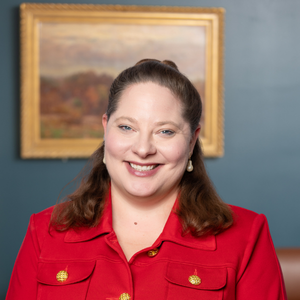
Diana Coyle, director of nonprofit services and sustainability, is dedicated to helping Central Indiana nonprofits access the tools, knowledge, and relationships they need to thrive. In collaboration with her CICF colleagues, she supports CICF’s nonprofit partners by offering professional development, resources, and technical assistance that strengthen organizations and their leaders. With more than 15 years of experience in leadership and community engagement, she is committed to fostering connections that amplify the missions of nonprofits and create lasting impact across the region.
Continue the Conversation: Email the Author
We’d love to hear your questions, ideas, and feedback. Use the form below to send a message directly to this article’s author.