
Why Starting Young Matters
By Brandy Jemczura, Founder & Executive Director, Seeds of Caring
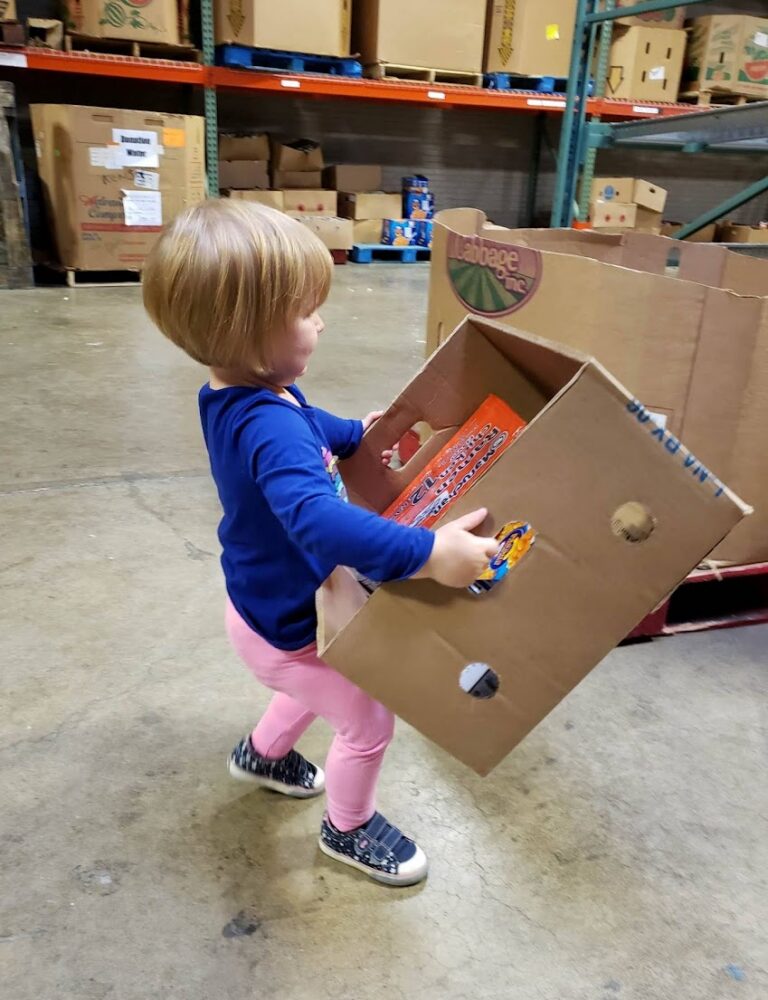
When people hear that Seeds of Caring empowers kids as young as age 2 to volunteer in their communities, we usually get the same question:
“But what can a 2-year-old really do?”
The answer is: quite a lot.
Research tells us that toddlers show early forms of empathy and helping behaviors shockingly young. Studies at the Max Planck Institute observed children as young as 18 months helping adults without being asked or rewarded. Even before age 2 children start to notice when someone is sad, unfairly treated, hungry, left out, or hurting.
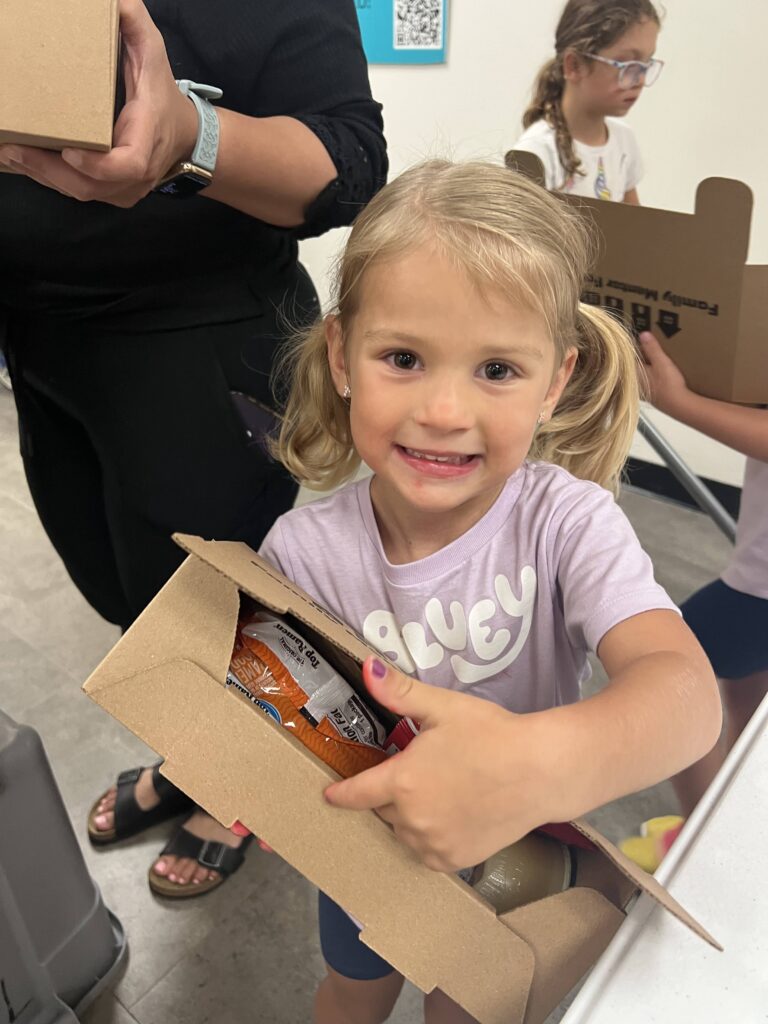
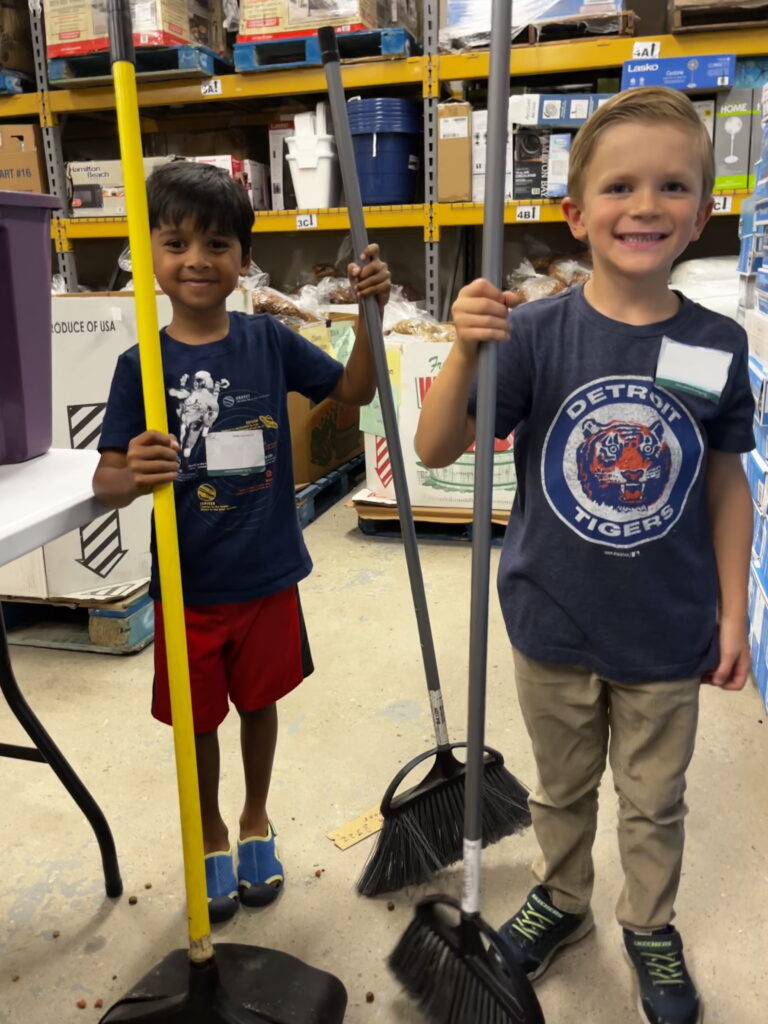
Put toddlers on an assembly line packing sack lunches for unhoused neighbors or picking up litter at a park, and they will happily work for much longer than you’d expect. They are proud to be helpers and sometimes they surprise us in the best of ways. One 3-year-old at a Seeds of Caring service project kept sneaking extra bags of chips into lunches for local food pantries. When an adult reminded him each bag should only include one, he replied, “If it was my lunch, I would want 5 bags of chips.”
Honestly, that may be one of the purest examples of empathy.
And while we often think of adults as the ones teaching important lessons, the reality is that young children are often the best instructors in the subject of caring. At young ages, their perspective is unfiltered and incredibly powerful. While adults can become desensitized to the challenges around us – overlooking someone experiencing homelessness or ignoring trash scattered through a park – young children notice immediately. They pause, ask questions, and remind us to pay attention. Young kids also don’t ask if someone is “deserving” of help. They simply see a need and instinctively ask “Are you okay?”
What we see every day at Seeds of Caring is that young children are naturally curious about the people and world around them – and they want to help. Early childhood is an especially important time to nurture these prosocial instincts because young children’s brains are highly adaptable, and repeated experiences helping others can shape how children see themselves and their role in the world. Starting service, philanthropy and civic engagement young transforms these things from “to-do list” items into part of a child’s core identity.
Try This: Simple Ways to Encourage Early Philanthropy (yes, as young as age 2!)
- Read books about community needs.
Stories help young children begin to understand kindness, fairness, hunger, inclusion, and helping others.
- Go on a “Helper Scavenger Hunt” in your neighborhood.
Walk around and look for opportunities to help. Is there litter at a park? Does a senior citizen neighbor have a lot of leaves piling up? Is there a Little Free Library or a Little Free Pantry that needs restocked? - When a child notices something unfair or difficult, lean in.
Try asking: “What do you think would help?” “Who looks like they need a friend today?” - Invite young children into hands-on service
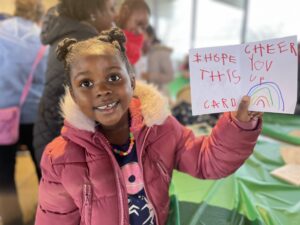
Packing care kits, decorating cards for seniors, collecting diapers, or cleaning up a local park are meaningful ways even toddlers can participate. Join Seeds of Caring for a project this month and empower the kids in your life to make a difference.
About Seeds of Caring
Seeds of Caring is CICF’s youth philanthropy partner.
At Seeds of Caring, we imagine a future with more kindness, more empathy, and more inclusiveness. It all starts with our future generation. Our kids deserve a world that is kinder, more just, and more connected than the one we live in today. Seeds of Caring works to turn this vision into reality, offering service projects for kids ages 2 to 12—empowering them to make a real difference through service, social action, and community-building projects. We are raising a generation of kids who are change-makers and bridge-builders. Together with their grown-ups (that’s you!), we teach children about the causes of social issues, break down barriers that prevent us from living in full community with one another, and encourage our youth to use their hearts, hands, and minds for good. Together, we are creating a brighter tomorrow. Join us!
Continue the Conversation: Email the Author
We’d love to hear your questions, ideas, and feedback. Use the form below to send a message directly to this article’s author.